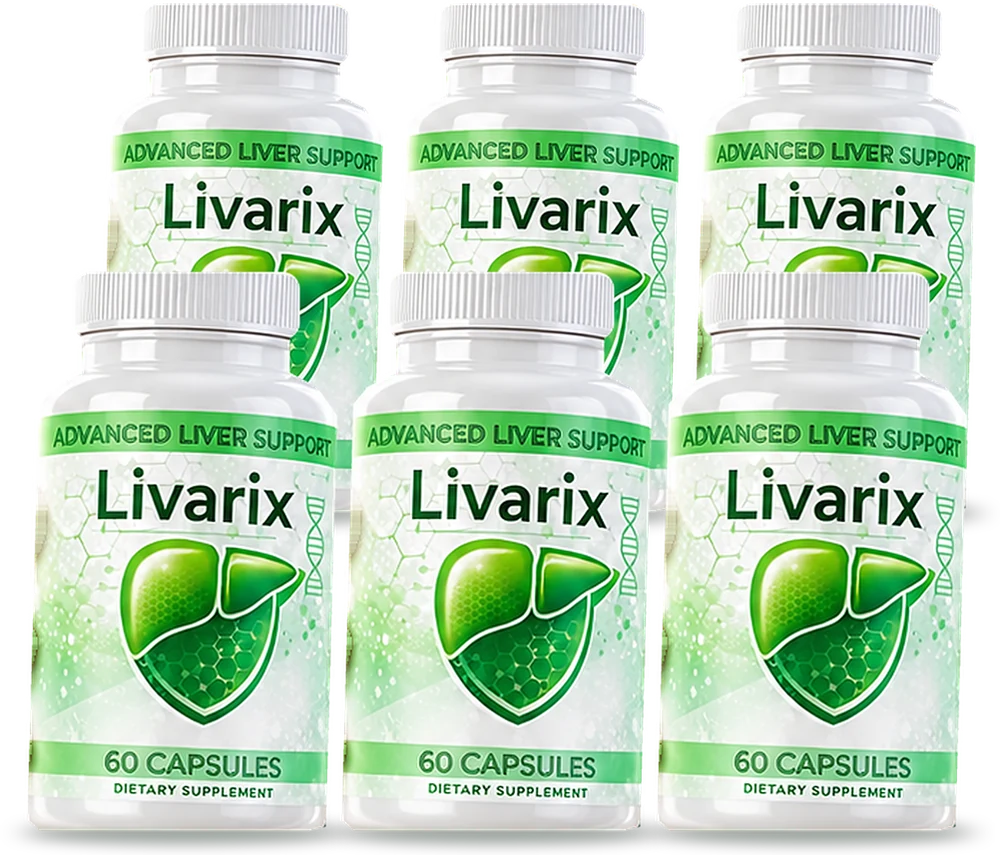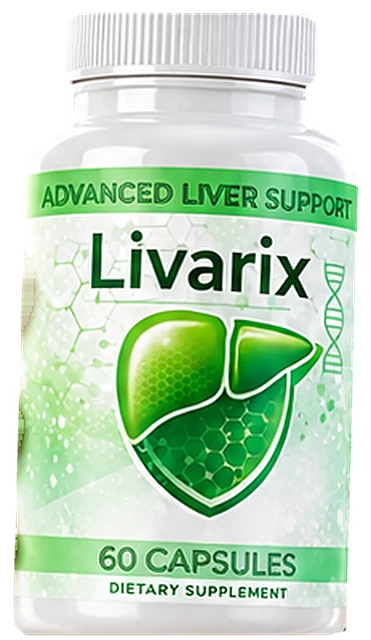
Turmeric is the golden root behind curry's colour and one of the most popular botanicals in the supplement aisle. In Livarix it is the largest single ingredient at 300 mg per serving. Here is what you should know.
Turmeric vs. Curcumin
Turmeric (Curcuma longa) is the whole root. Curcumin is its best-known active compound, one of a family called curcuminoids. Most of turmeric's research interest focuses on curcumin's antioxidant activity and its role in a healthy inflammatory response.
What Research Says
Curcumin has been studied in many laboratory and human studies. According to the NIH's NCCIH fact sheet, results for many uses are mixed and more high-quality human research is needed. That is a fair summary: interesting, widely studied, but not a miracle.
Absorption Tips
Curcumin is fat-soluble and not easily absorbed on its own. Taking turmeric-containing supplements with a meal that includes some fat may help, which fits Livarix's directions to take two capsules with food in the morning.
Safety Notes
- Turmeric is generally well tolerated at food amounts; higher supplemental amounts can cause stomach upset in some people.
- The NIH LiverTox database documents rare cases of liver injury associated with some turmeric products, often highly concentrated or combined with absorption enhancers.
- Turmeric may interact with blood thinners and some other medicines. Ask your doctor first.
Turmeric in Livarix
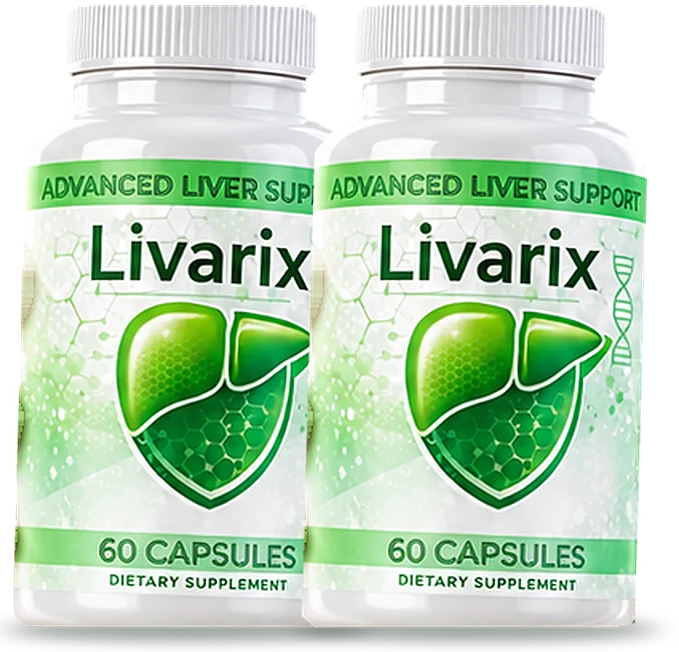
Livarix uses 300 mg of turmeric root powder per serving, alongside milk thistle, artichoke, dandelion, beet root, ginger, alfalfa and L-cysteine. See the complete label on our product overview, or read how it fits the antioxidant defense focus area.
This article is for general education and is not medical advice.